In the age of acceleration, the quiet pull of a farm stay can feel almost radical. Long before “slow travel” became a slogan, rural retreats offered something the modern world rarely affords: rhythm, ritual, and room to breathe. These are places where the light changes slowly, and the line between guest and host dissolves over a shared meal.
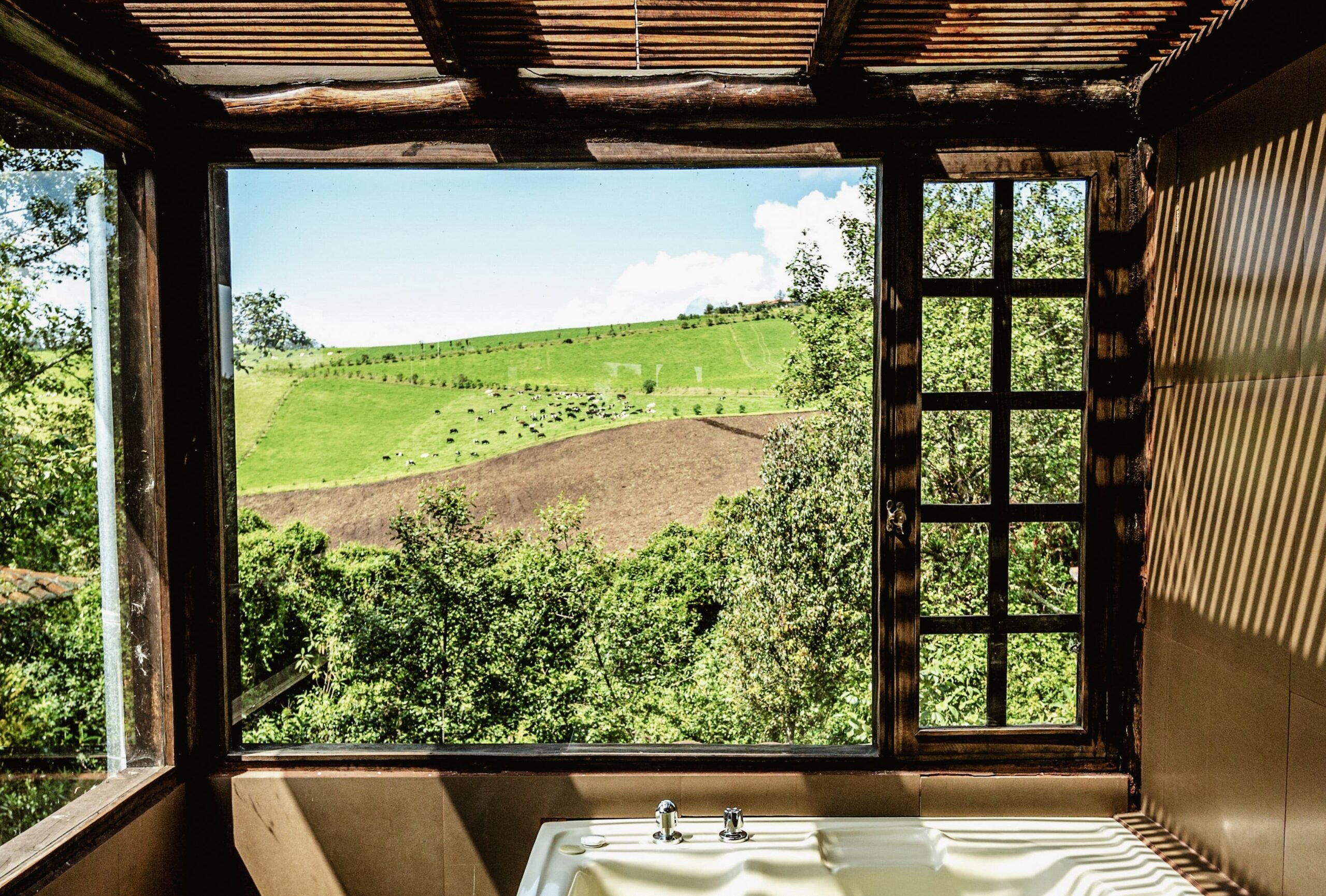
Just outside Quito along Ecuador’s volcanic spine, Sierra Alisos is one such place. A working dairy hacienda surrounded by cloud forest and open pasture, where cows graze under the shadow of Cotopaxi. Here, time is kept in footsteps, firelight, and the length of breath in its passing travelers.
Its founder, Raúl Guarderas, has lived many lives: architect, motorcyclist, host. But it’s here, in the folds of the Andes, that those paths have converged. What began as a sketch on a napkin has become a quietly radical act of hospitality — and a homecoming.
We spoke with Raul about the land, the forest, and the philosophy behind Sierra Alisos’s next steps toward regeneration.
Share a little about yourself and how you arrived here
My name is Raúl Guarderas. I’m a former designer and architect, and I spent most of my childhood in the Ecuadorian countryside crossing prairies, wandering the magical forests that still surround our family’s dairy and tourism operation in the Andes.

Horses, agricultural life, and the traditions of the “chagra” — the local cowboy — shaped my early years. At the same time, my parents were artists in literature and theater, so I grew up surrounded by creativity. I was always sketching: cars, racing bikes, ideas. That eventually led me to study industrial design and architecture, which became my career for more than two decades.
While studying and working abroad, I fell in love with slow travel — hitchhiking or riding my bike through Europe to explore remote towns, parks, and rural festivals off the beaten path. But when I returned to Ecuador, the stress of city life no longer suited me. In what I jokingly call a midlife crisis, I returned to that spartan way of travel — on a motorcycle, with no agenda — and it became the best therapy I could imagine.
During those long rides, I began dreaming of a lodge in the forest I loved so deeply. I imagined it as a place for others like me — overlanders, seekers, those drawn to nature and simplicity. With my family’s support, I bought shares in the property where my parents had once lived, and where my father had left a profound legacy. Sketching on napkins and blueprints, I slowly redesigned the original cottage and began a years-long process of restoration. That vision became Sierra Alisos.
Tell us about Sierra Alisos — where are you located, and how can travelers reach you?
Sierra Alisos officially reopened at the end of 2011 as a country lodge nestled within a 53-year-old dairy farm. It’s an intimate place, surrounded by nature and volcanoes, rooted in the tradition of an “open-doors” home — the kind my parents always maintained.

We’re located near Quito, Ecuador — just far enough from the capital to feel truly immersed in nature, yet easily accessible from the international airport and nearby national parks. The lodge sits on the foothills of the Avenue of Volcanoes, surrounded by seven peaks and hugged by native forest.
What kinds of experiences do guests take with them?
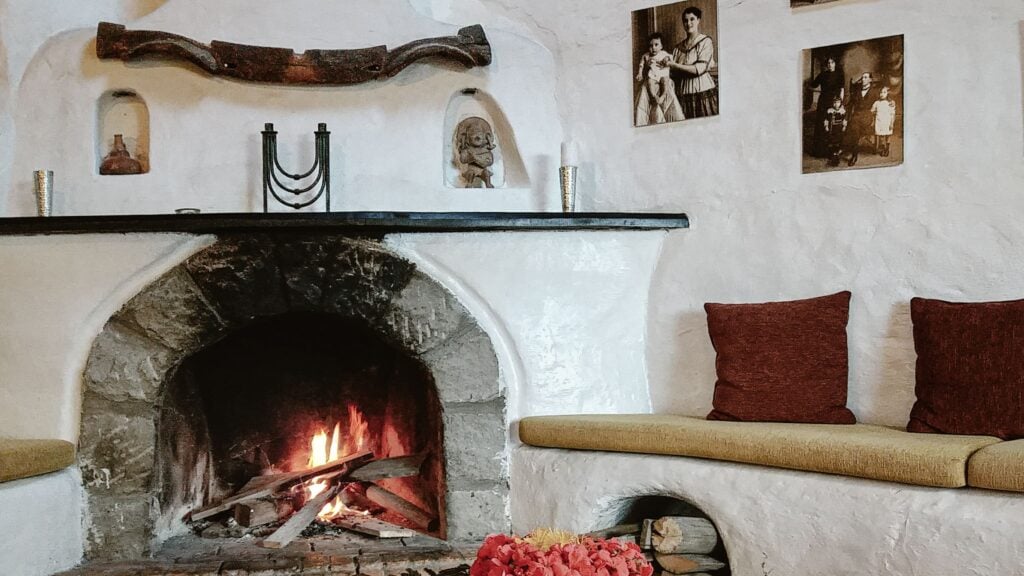
We offer something quietly transformative. With just six rooms, adobe and rammed-earth construction, and curving, organic forms, the lodge invites you to slow down. Picture large chimneys, open kitchens, gardens, forest trails, and views of Cotopaxi and the other great volcanoes — it’s a place that truly resets your spirit.

Guests often speak of the peaceful rhythm: waking to birdsong, watching hummingbirds with Ecuadorian coffee, stargazing by a fire, walking through cloud forest, or simply resting well past noon. Add to that the charm of our working farm, with pastures, horses, dairy cows, and organic gardens — it all creates a deeply rooted experience in Andean life.
How would you describe the lodge’s design aesthetic?
It may sound like a cliché, but the design is truly eclectic. Think modernist furniture mixed with rustic textures; adobe walls, natural skylights, and soft, curving lines. You’ll find cozy rooms with ponchos hanging from the walls, local books and photography, and an overall feeling of warmth and history.

The house itself is a sensory experience — you see it in the light, hear it in the music from our vintage audio setup (we even have a Spotify playlist), smell it in the bread baking or the wet forest soil. It’s a house that breathes, built from natural materials and warmed by solar energy. We’ve designed it to be both beautiful and sustainable.
What are some highlights of your sustainability approach?
Above all, we protect more than 70 acres of native forest — home to countless plant and animal species, and vital to the health of the Machachi Valley. This forest provides over two dozen ecosystem services to our community, and we’ve developed more than 7 miles of trails for guests to explore it respectfully.

The lodge itself was built using traditional, low-impact methods: adobe, rammed earth, wood, and bamboo. These materials provide thermal and acoustic comfort and avoid the carbon footprint of fired bricks. Our wastewater is treated onsite, and we use thermal solar systems for hot water.
We’re also part of broader conservation efforts — working with local authorities to establish protected areas for sustainable use and watershed preservation. We’re proud to be located at the edge of the greater Chocó bioregion, a biodiversity hotspot that stretches all the way from Panama.
What sets Sierra Alisos apart from other lodges in the area?
The native forest is what makes us truly unique — few places in the region offer this level of immersion. But we’re also a working hacienda, with permaculture gardens, dairy production, and a commitment to sharing rural Andean culture.

We offer hikes, horseback rides, and bike paths, but walking — slow, mindful walking — is our core experience. And more than anything, it’s our personal approach to hospitality. We’re family-run and deeply involved in our guests’ stay. That kind of care creates lasting memories.
And, of course, the birding is out of this world.
How does sustainability show up in your daily operations and with your collaborative partners?
Sustainability is our true north — like ancient travelers following Polaris. As a former designer, I applied these principles to every aspect of the lodge’s refurbishment. But beyond architecture, it’s a lifestyle philosophy that my father passed on: living in harmony with nature, with common sense and care.
We work with local schools to promote environmental education, and we source as much as we can from nearby producers — or our own land. Over half of our kitchen ingredients are grown here, including organic milk and dairy. It’s honest, rooted food — truly “farm to table.”
Speaking of food, tell us about the cuisine at Sierra Alisos.
Soup! That’s the first word that comes to mind. Our soups are a celebration of local flavors and the perfect start to a meal. From there, we serve fusion main courses made from organic ingredients, always ending with something a little unexpected: miniature baked bananas with orange syrup and cacao nibs, for example.

We offer hands-on experiences too — make your own cheese, sip a local beer while playing pétanque, and enjoy a leisurely three-course meal in the afternoon sun.
Be sure to try our house specialties: ají de cebolla, pollo azuero with our “chagrese” salad, and of course, dessert.
What’s your favorite part about running the lodge?
Learning. Every guest brings something new. I’ve developed a new kind of awareness — of time, of change, of nature. We don’t have four seasons here, so the subtle rhythms of the land reveal themselves differently.

Hosting also gives me the chance to connect — with travelers, with friends, with colleagues in the hospitality world. And it keeps me creatively engaged. I run workshops, I’m writing a book, and most of all, I stay in motion.
Since 2018, we’ve hosted the Horizons Unlimited travelers’ gathering — a reunion of overlanders and moto-adventurers from around the world. Hearing their stories reawakens that same restless spirit in me every time.
How has Sierra Alisos evolved — and what’s next?
The pandemic forced a lot of reflection and resilience. Tourism is highly sensitive to the news cycle, and fear-based narratives have a real impact on small operations like ours. So we appreciate this opportunity to share that Ecuador is a safe, beautiful place to visit — and that supporting small, sustainable tourism matters.
As for what’s next, we’re focusing on thoughtful, small-scale additions. Last year we launched #truckglamping — a mobile glamping experience with rooftop tents, 4×4 access, and full-service meals in the conservation zone. That project inspired a new venture: SensoTrail, a tour operator with six curated slow-travel routes across Ecuador, by foot, bike, boat, or car. It’s another step toward sharing the kind of travel we believe in: immersive, sustainable, and unforgettable.
An honor to have the opportunity to talk with Raúl.
Learn more about staying at Sierra Alisos for mobile glamping, yoga retreats, and simply getting away at their website or on Instagram.